
Key takeaways
- Five ski glove liners that add warmth under a shell glove or mitt, compared by material, touchscreen control, fit, and bulk for cold days on the slopes.
Cold fingers end ski days early, and the fix is often not a thicker shell glove. A liner adds a warm layer inside the glove or mitt you already own, and it costs far less than replacing that shell. The real decision is which material earns the space inside a snug glove: merino wool manages moisture and smell, silk disappears under a tight cuff, and a synthetic liner brings touchscreen fingertips and a lower bulk profile.
This guide is for skiers whose hands run cold inside a good shell, for anyone who pulls a phone out on the lift, and for riders whose shell gloves fit too tightly to take a thick extra layer. The five liners below were chosen from names and specs on Amazon listings, and each one covers a different job: everyday merino warmth, a heavier wool knit, feather-light silk, a snow-brand liner, and a touchscreen-first synthetic.
Quick Picks
As an Amazon Associate we earn from qualifying purchases.
| Product | Best for | Key spec from title |
|---|---|---|
| Smartwool Liner Glove | Everyday merino warmth under any shell | Merino wool blend, touchscreen thumb and index finger |
| Minus33 Merino Wool Glove Liner | Extra wool warmth on bitter days | 85% merino wool knit, model 3600 |
| Terramar Thermasilk Glove Liner | The thinnest layer under a tight glove | 100% silk, 22.68 g |
| Dakine Rambler Liner | A snow-brand liner for resort days | Touchscreen compatible, liner profile |
| Burton Touchscreen Glove Liners | Phone use without bare fingers | Screen Grab touchscreen fingertips |
How to Choose
Material First: Merino, Silk, or Synthetic
Merino wool is the default liner material for a reason. It holds warmth when damp, breathes during a hard run, and resists odour over a multi-day trip, which matters when a liner lives inside a damp shell. Silk is thinner and smoother, so it slides under the tightest shell without bunching, though it adds less warmth on its own. Synthetics dry fastest and usually carry the best touchscreen tips, but they can feel clammy after a sweaty climb. Pick merino for all-round warmth, silk when space is the constraint, and synthetic when phone control and quick drying lead.
Touchscreen Control Without Bare Fingers
A liner with conductive fingertips keeps a phone usable on the lift, which is where most skiers actually reach for one. Look for the touchscreen claim on the thumb and index finger specifically, because a liner that only covers the index finger still leaves the thumb bare for swiping. Note that touchscreen tips vary in accuracy: a knit tip works well for a photo or a map check, but typing a long message with cold, stiff fingers will still frustrate. If phone use matters, put the touchscreen liner at the top of the list and check the claim on the listing before ordering.
Fit Under a Shell Glove
A liner only works if it fits inside the shell without stealing circulation. Measure the shell first: if the shell already fits snugly with bare hands, only a silk or ultra-thin merino liner will fit, and a fleece liner will squeeze the fingers and make them colder. Size the liner to the hand, not to the shell, and try the pair together at home before the trip. The cuff matters too. A short cuff slides under a gauntlet easily, while a long cuff can bunch at the wrist and fight the jacket sleeve.
Warmth, Bulk, and When a Liner Is Not Enough
A liner adds roughly one layer of warmth, not a new temperature rating. On a mild day it can turn a shell glove into the only layer needed, and on a bitter day it stretches a good mitt by a few degrees. It cannot rescue a shell that is already too thin for the conditions, and it cannot fix poor circulation on its own. If fingers go numb every run despite a liner and a sound shell, the answer is a warmer mitt or heated gear, not a second liner. One liner, fitted well, beats two liners fighting for space.
The 5 Best Options
Smartwool Liner Glove

The Smartwool Liner Glove is the benchmark merino liner, and it earns that place by doing the ordinary job well. The knit is thin enough to slip under a shell glove or mitt without changing the fit, and the merino blend keeps hands warm through sweat and snow melt alike. Touchscreen-compatible thumb and index finger mean a phone stays usable on the lift, and the unisex sizing covers most hands with a snug, second-skin fit. It works alone on mild days for the walk to the lift, then layers under a shell when the temperature drops.
Specs
- Body: 45% merino wool, 45% acrylic, 9% nylon, 1% elastane
- Thumb and index fingertip: 95% polyester, 4% other fiber, 1% elastane
- Touchscreen compatible thumb and index finger
- Weight: 43 g (1.5 oz)
- Model: SW011555
- Unisex sizing
Best for: Skiers who want one merino liner that layers under any shell.
Watch out for: Confirm the colour and size in the selector, since the listing sells many colour and size children under near-identical names; the knit carries no wind protection, so it needs a shell in wind or falling snow.
Minus33 Merino Wool Glove Liner

The Minus33 liner is the heavier wool option in this guide, built for skiers who feel the cold first in their fingers. The knit carries a higher merino share than the Smartwool liner, which gives it a warmer hand feel and a slightly thicker profile, so it suits a shell with a little room to spare. It is a three-season design, which means it also works for cold morning walks and shoulder-season hikes, not only for ski days. The unisex cut and wide size range make fitting straightforward, and the wool content keeps odour down across a week of use.
Specs
- 85% merino wool, 10% nylon, 5% elastic
- Model number: 3600
- Unisex sizing
- Three-season wear design
- Multiple colours and sizes
Best for: Cold-handed skiers who want the warmest wool liner here.
Watch out for: The thicker knit needs a shell with room; try the pair together before the trip, since a tight shell plus this liner can squeeze circulation and undo the warmth.
Terramar Thermasilk Glove Liner
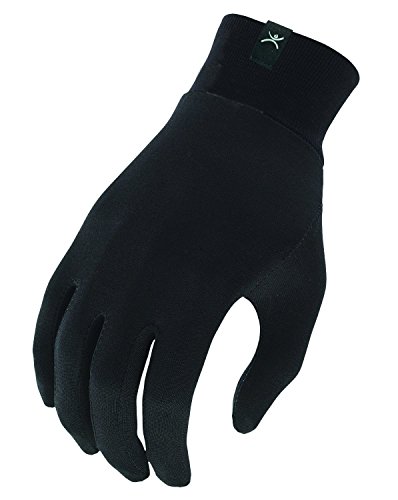
The Terramar Thermasilk is the thinnest liner in this guide, and that is its whole point. Pure silk slides under a glove that already fits snugly, adding a layer of warmth where a wool or fleece liner would bunch and bind. At barely more than twenty grams it disappears inside a shell, and the smooth face lets the shell glide on and off without catching. Silk also wicks moisture well for its weight, which helps on long days when hands sweat inside a waterproof shell. It is the pick for skiers whose shells are already perfect and only need a little more warmth.
Specs
- Material: 100% silk
- Item weight: 22.68 g
- ClimaSense thermal regulation treatment
- Pull-on closure
- Machine washable
- Part number: S491-010-Black-M
Best for: Skiers whose shell gloves fit tightly and leave no room for bulk.
Watch out for: Silk adds light warmth only, so it will not rescue a thin shell on a bitter day; it has no touchscreen fingertips, so a phone means bare fingers or a different liner.
Dakine Rambler Liner

The Dakine Rambler is the snow-brand liner in this guide, made by a company that builds gloves for resort riding. It is a straightforward liner with touchscreen compatibility, designed to sit under Dakine shells and mitts but sized to work under most brands. The profile is slim, the cuff is short enough to clear a jacket sleeve, and the knit is warm enough to matter on a cold morning without adding the bulk of a fleece liner. For skiers who already ride Dakine shells, it is the natural match; for everyone else, it is a solid general-purpose liner with a snow pedigree.
Specs
- Touchscreen compatible fingertips
- Slim liner profile
- Short cuff
- Ships from Amazon
- Sold by Blauer Board Shop
Best for: Resort skiers who want a snow-brand liner under a shell glove or mitt.
Watch out for: The listing record for this liner is thin, with few published fabric details, so confirm the size in the selector and check the listing for the current colour range before ordering.
Burton Touchscreen Glove Liners

The Burton Touchscreen Glove Liners put phone control first. Screen Grab technology runs through the fingertips, so texting, swiping, and scrolling work without peeling a glove off on a windy lift. The liner itself is light and stretchy, which makes it easy to pull on under a shell and comfortable enough to wear alone on the walk to the lodge. Burton builds these as the companion to its own shells, but the unisex cut fits under most brands. If the phone is the reason fingers keep getting cold, this liner fixes the habit rather than the symptom.
Specs
- Screen Grab touchscreen technology on the fingertips
- Touchscreen compatible for text, swipe, tap, and scroll
- Lightweight stretch knit
- Unisex sizing
- Colour: True Black
Best for: Skiers who use a phone on the lift and hate bare fingers in the cold.
Watch out for: Touchscreen accuracy drops when fingers are very cold or the screen is wet, so keep expectations modest in a storm; confirm the size in the selector, since the listing covers several sizes under one page.
Which One Fits Your Situation
Cold Hands in a Tight Shell Glove
When the shell already fits snugly, reach for the Terramar Thermasilk. Silk adds warmth without stealing space, and its smooth face keeps the shell easy to pull on. The Minus33 liner is too thick for this job, and a fleece liner would squeeze the fingers and make them colder. If the shell has a little room, the Smartwool liner is the warmer alternative.
Phone Photos on the Lift
Pick the Burton Touchscreen Glove Liners when a phone comes out every run. Screen Grab fingertips handle photos, maps, and messages without bare skin meeting cold air. The Smartwool liner is the backup choice, since its thumb and index finger also carry touchscreen panels. Skip the Terramar here, because silk has no touchscreen tips at all.
Mild Days When a Shell Is Too Much
On a mild spring day, the Smartwool liner works alone for the walk to the lift and the first runs, with the shell staying in a pocket until the wind picks up. The Minus33 liner also works alone in cool, dry weather, though its thicker knit warms up faster on a hike. Either way, carry the shell; a liner alone has no wind protection when the weather turns.
Maximum Warmth on a Bitter Day
Layer the Minus33 liner under a warm mitt for the coldest days, since its higher merino share adds the most warmth of the five. The Smartwool liner is the second choice, and it pairs well with a mitt that has room to spare. Do not stack two liners in one shell; the squeeze costs more warmth than the extra layer adds.
Common Mistakes
- Buying a liner that is too thick for the shell, which squeezes circulation and makes fingers colder instead of warmer.
- Expecting a liner to replace a shell glove in wind or falling snow, when a liner has no weather protection of its own.
- Sizing the liner to the shell instead of the hand, then finding the fingers too long to grip a pole or a zipper.
- Washing merino and silk liners in hot water or with harsh detergent, which shrinks wool and dulls silk.
- Stacking two liners in one glove, which adds bulk without adding warmth and leaves fingers numb by mid-morning.
Frequently Asked Questions
Can I wear a glove liner on its own while skiing?
A liner works alone only on mild, dry days, and only for short stretches. It has no wind or water protection, so wind cuts through the knit and wet snow soaks it fast. On a calm spring morning it is fine for the walk to the lift and easy groomed runs, but carry the shell in a pocket. Once the wind rises or snow falls, put the shell on.
Do liner gloves work with touchscreen phones?
Only liners with conductive fingertips work reliably, and the claim should name the thumb and index finger specifically. The Burton and Smartwool liners in this guide carry touchscreen panels, while the Terramar silk liner does not. Even with conductive tips, accuracy drops when fingers are very cold or the screen is wet, so keep phone tasks short on the lift.
Should a liner fit tight or loose?
A liner should fit snug, like a second skin, with no loose fabric at the fingertips. Loose fingertips catch on a shell lining and dull grip on poles and zippers. At the same time, it must not squeeze the hand, since tightness cuts circulation and makes fingers colder. Try the liner and shell together at home before the trip.
How do I wash merino or silk liners?
Wash merino and silk liners in cold water on a gentle cycle with a mild detergent, then air dry them flat. Hot water shrinks merino and dulls silk, and a hot dryer can ruin both. Skip fabric softener, which coats the fibres and hurts wicking. A liner that smells after a week of skiing needs a wash, not a replacement.
FAQ
Can I wear a glove liner on its own while skiing?
Do liner gloves work with touchscreen phones?
Should a liner fit tight or loose?
How do I wash merino or silk liners?
More from Amazon
Programs that pair well with the guide above. Offers and eligibility are set by Amazon and may change.
Free shipping on eligible items, Prime Video and more. Eligible new members can start with a free trial.
Start a Prime free trialAudiobooks and podcasts to listen to on the go. Eligible new members can start with a free trial.
Try Audible freeAd-free music streaming. Eligible new subscribers can start with a free trial.
Try Music Unlimited freeA free business account with business pricing and bulk-buying tools for work, shop or home office.
Create a business accountAs an Amazon Associate we earn from qualifying purchases.

Write Your Review
No reviews yet. Be the first to share your experience!