
Key takeaways
- Best winter boots for snowy sidewalks: what to look for in waterproofing, ice grip, and warmth for safe daily walks through winter slush and refrozen snow.
As an Amazon Associate we earn from qualifying purchases.
Sidewalks are the most deceptive winter surface. They look cleared, then hide refrozen meltwater under a dusting of snow, or a curb-side puddle of salty slush that soaks a boot in one step. A fall on a sidewalk happens fast, usually close to home on a route you walk every day without thinking. The right boot for this job is not the tallest or warmest you can find. It is the one that grips ice, keeps slush out, and stays comfortable enough that you wear it every time you step out.
This guide is for daily dog walkers, commuters heading to the bus or train, parents walking children to school, and older walkers who want steady footing through winter. It covers how to choose boots for snowy sidewalks: grip first, then waterproofing, warmth, and everyday fit, followed by advice matched to the walks you actually take. There are no product picks here, only decision criteria, so you can judge any boot on its own merits before you buy.
How to Choose
Grip on ice and packed snow comes first
On sidewalks, traction outranks every other feature, because a warm, dry boot is no help if you slip on the first icy patch. Look for an outsole with deep, widely spaced lugs that shed packed snow rather than carrying it, since a clogged tread turns slick within a few steps. Lug shape matters too: varied edges and angles grip while you turn, stop, and step sideways at a curb, not just while walking straight ahead. The rubber compound is equally important. Softer rubber formulated for cold stays flexible and bites into ice, while hard rubber can skate across a frozen surface. If you can press a thumbnail into the tread and feel it give slightly, that is a promising sign.
Waterproofing for slush, salt, and curb puddles
Sidewalk walking means constant contact with salty slush, which is harder on boots than fresh snow. A waterproof membrane or bootie inside the upper, sealed seams, and a rubber lower shell keep meltwater out where it pools around the ankle. The tongue deserves a close look: a gusseted tongue attached to the sides of the upper stops slush from pouring in at the laces when you step into a deep puddle at a curb cut. Salt itself is a second enemy, drying out leather and wearing down seams over a season, so wipe boots down after salty walks and treat leather uppers as the maker recommends.
Warmth for short walks and cold waits
Sidewalk walks mix movement with waiting: brisk walking warms your feet, then standing at a bus stop or chatting with a neighbor lets the cold creep back in. Moderate insulation suits this pattern better than heavy insulation, which can overheat feet while walking and leave them sweaty and chilled once you stop. Removable liners are a useful feature because they dry overnight and go back in warm, which matters when the same boots face slush every morning. If your feet chill easily, favor a slightly roomier fit with thick wool-blend socks over a tighter boot with heavier insulation, because squeezed feet lose heat faster than loose ones.
Easy on and off, fit with thick socks, and daily weight
A sidewalk boot gets worn every day, sometimes several times a day, so convenience decides whether it becomes a habit or stays by the door. A side zip or speed hooks near the top let you get in and out quickly with cold hands. Fit should be judged with the thick socks you will actually wear: toes need wiggle room, the heel should stay put, and the laces should let you adjust through the day as feet swell. Weight matters more than people expect on a daily walk; a heavy boot that feels fine in the shop can feel like an anchor by the third block, and tired legs are less steady on ice.
Which One Fits Your Situation
Daily dog walks on icy neighborhood sidewalks
Choose a mid-height waterproof boot with the grippiest outsole you can find and moderate insulation. Dog walks happen in every condition, including the mornings after a freeze when the sidewalk is at its worst, so traction matters more than height or heavy warmth. A rubber lower shell keeps slush out when you step off the curb, and a gusseted tongue stops puddle water at the laces.
Commuting to work or the bus stop
Choose a mid-height waterproof boot that looks tidy enough for the office and grips well on salted pavement. Your walk is short but it crosses the worst spots: the refrozen patch at the bus stop, the slushy gutter at the crossing, and the polished floor just inside the door. Moderate insulation is enough because you are moving and indoors much of the day, and a boot that slips off easily at work saves a daily struggle.
Shoveling and clearing the walk
Choose a taller waterproof boot with a sturdy shaft and a lugged outsole built for uneven ground. Shoveling means stepping through drifts, standing on snow piled at the edge of the walk, and working in one place while the cold settles in, so height and warmth matter more here than on a quick commute. A shaft that reaches mid-calf keeps snow out when you toss a shovelful overhead, with a lace or drawcord sealing the top.
Older walkers and anyone worried about falls
Choose the boot with the best ice grip you can find, even if it means giving up some style or warmth. A low, stable profile with a wide base and a soft cold-weather rubber compound gives the most secure footing, and a deep-lug tread keeps grip consistent from the first step to the last. Look for a boot that is easy to put on without bending far, with a fit that holds the heel firmly.
Common Mistakes
-
Picking a tall, heavy boot for a short sidewalk walk, then leaving it by the door because it is too much trouble to put on. A tall pac boot looks ready for anything, but on a five-minute walk to the bus it is heavy, stiff, and slow to lace, so it stays in the hallway while a lighter pair gets worn instead. The best sidewalk boot is the one you actually wear every time you step out, not the one built for conditions you rarely meet. For plowed sidewalks, a mid-height boot with strong grip and good waterproofing covers the real conditions and is easy enough to pull on several times a day.
-
Judging grip by looks instead of tread depth and rubber softness, and slipping on the first patch of black ice. A rugged-looking sole can still be slick if the lugs are shallow or the rubber is hard, and neither flaw shows up in a shop window. Black ice hides under a dusting of snow, so the first warning is usually a foot sliding out from under you. Before you buy, look for deep, widely spaced lugs that shed packed snow, and press the rubber with a thumbnail: a compound that gives slightly stays flexible and bites into ice in the cold.
-
Buying boots that fit with thin socks, then finding them painfully tight once thick winter socks go on. Boots tried on with thin dress socks feel fine in the shop and pinch on the first cold morning, when thick wool-blend socks and slightly swollen feet need space. Toes pressed against the front of the boot get cold faster, because no warm air is trapped around them, and a tight fit also cuts circulation. Try boots on with the socks you will actually wear on winter walks, and walk around the shop for several minutes to feel for pressure points. Bring the socks you will wear, not the thin pair from the drawer. Leave a thumb-width of space at the toe.
-
Forgetting the tongue: an unsealed tongue lets curb puddles pour straight into an otherwise waterproof boot. Waterproof membranes and sealed seams mean little if the tongue is open, because a step into a curb puddle sends meltwater straight in at the laces. The failure is easy to miss, since the boot looks fully sealed from the outside and feels dry on a short try-on. Before you buy, look for a gusseted tongue attached to the sides of the upper, and check how far up the attachment runs. On a sidewalk route, the tongue faces more standing water than any other part of the boot.
-
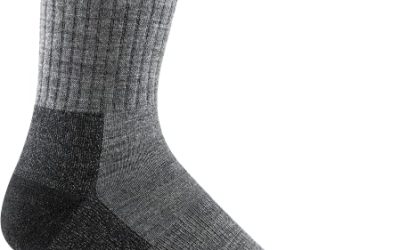
Wearing cotton socks that soak up sweat and leave feet damp and cold halfway through a walk. Cotton absorbs moisture and holds it against the skin, so sweat from brisk walking stays there and chills your feet the moment you slow down or wait at a bus stop. The boot can be perfectly waterproof and well insulated, and your feet will still feel clammy by the end of the walk. Wool-blend socks insulate even when damp and wick sweat away from the skin, which is why they suit winter walking so well.
Frequently Asked Questions
What makes a winter boot good for icy sidewalks?
Grip is the deciding factor. A good sidewalk boot has deep, widely spaced lugs that shed packed snow, varied lug edges that bite when you turn and stop, and a rubber compound that stays soft and flexible in the cold. Waterproofing comes next, since slush and salt water soak a weak boot quickly. Warmth matters, but moderate insulation usually suits sidewalk walking.
Do I need tall boots for snowy sidewalks?
Usually not. Tall boots help in deep, unplowed snow, but most sidewalks are plowed, so a mid-height boot covers the conditions you will actually meet. Mid-height boots are lighter, easier to walk in, and simpler to get on and off, which matters when you wear them several times a day.
How can I tell if a boot is truly waterproof?
Look for a waterproof membrane or bootie inside the upper, sealed seams, and a rubber lower shell or waterproof leather. Check the tongue: a gusseted tongue attached to the upper is a good sign, since an open tongue lets puddle water in at the laces. Check how the upper joins the sole, since a stitched joint can wick water over time.
Should I wear special socks with winter boots?
Yes, sock choice matters almost as much as the boot. Wool-blend socks insulate even when damp and wick sweat away from the skin, while cotton socks hold moisture and leave feet cold and clammy. Choose a sock thick enough to fill the boot without squeezing your toes, and try boots on with the socks you plan to wear, since thickness changes the fit.
FAQ
What makes a winter boot good for icy sidewalks?
Do I need tall boots for snowy sidewalks?
How can I tell if a boot is truly waterproof?
Should I wear special socks with winter boots?
More from Amazon
Programs that pair well with the guide above. Offers and eligibility are set by Amazon and may change.
Free shipping on eligible items, Prime Video and more. Eligible new members can start with a free trial.
Start a Prime free trialAudiobooks and podcasts to listen to on the go. Eligible new members can start with a free trial.
Try Audible freeAd-free music streaming. Eligible new subscribers can start with a free trial.
Try Music Unlimited freeA free business account with business pricing and bulk-buying tools for work, shop or home office.
Create a business accountAs an Amazon Associate we earn from qualifying purchases.
Write Your Review
No reviews yet. Be the first to share your experience!